Durva दूर्वा

दूर्वा (प्रजास्थापन)

"Durva grass has various medicinal uses and provides numerous health benefits. It can treat acidity, boost immunity, control sugar levels, cure Poly Cystic Ovarian Syndrome as well as solve menstrual problems, cure constipation, treat obesity, cure bleeding of gums, cure eye infections, and stop nose bleeding."

FAMILY -GRAMINAE

LATIN NAME -Cynodon dactylon

पर्याय-दूब, शतपर्वा 

Eng. Name -CONCH GRASS

MORPH-क्षुप

Chem. Compo- PROTINE

गुण-लघु

रस -कषाय, मधुर

विपाक -मधुर

वीर्य -शीत

आमयिक प्रयोग -कफपित्तहर, तृष्णा, दाह, रक्तपित्त, त्वकरोगहर, अश्मरी

प्रयोज्यांग -पंचांग

DOSE -10-20 ML

विशिष्ट योग -दूर्वादि क्वाथ घृत-तैल

Health Benefits of Durva (Doob):


Doob grass, also known as Durva grass, has many health benefits. Here are some of them:

1. Treats acidity
Durva grass is effective in curing acidity. To treat acidity, you can take 3-4 teaspoons of Cynodon dactylon juice and mix it with a glass of water. Drink this mixture on an empty stomach in the morning. This mix is good not only for acidity, but also for stomach ulcers, colitis, and stomach infections.

2. Boosts immunity
Doob grass can enhance your body's immunity. Cynodon dactylon contains a bio-chemical compound called cynodon dactylon protein fractions (cdpf), which helps to enhance the immunity of the body. It is an easily available and affordable immune booster and energizer.

3. Controls sugar
Studies have shown that Cynodon dactylon has a hypoglycemic effect, which is helpful in controlling blood sugar levels and reduces fatigue. Durva grass is also beneficial in the prevention of disorders and conditions associated with diabetes.

4. Helps with Polycystic Ovarian Syndrome and menstrual problems
Bermuda grass is good for urinary tract infections. When the grass juice is taken with yogurt, it shows good results for those who are suffering from piles and vaginal discharge. Durva grass is a good herbal remedy for Poly Cystic Ovarian Syndrome (PCOS).

5. Helps with obesity
Durva grass can help control obesity and aid in weight loss. It is suggested that you should take juice of Bermuda grass twice a day to get good results. Prepare a decoction of conch grass (doob grass) (3 teaspoons), black peppers (4-6 in number) and a pinch of cumin. It is recommended that you take it twice a day with coconut water or buttermilk.

6. Cures constipation
Doob grass is helpful in curing stomach related problems. Drinking the juice of durva grass with water can help detoxify the body by releasing toxins from the body. It is good for acidity and normalizes bowel movement, thereby benefiting constipation. It promotes regular bowel movement.

7. Purifies blood
Durva grass acts as a natural blood purifier and also helps in maintaining the alkalinity of blood. It is very effective in curtailing the loss of blood due to injury, nosebleed, or excessive menstrual blood flow. It increases the production of red blood cells, which in turn increases haemoglobin levels in the body and thus prevents anaemia.

8. Cures bleeding gums
Durva grass is effective in curing oral related health problems. It has an adequate amount of alkaloids called flavonoids, which act against ulcers. Taking doob grass reduces the formation of phlegm and prevents gum-related problems. Durva grass strengthens the teeth. It helps to fortify the teeth and is good for removing bad odour from the mouth (halitosis).

9. Cures eye infection and stops nose bleeding
Applying the juice of Bermuda grass over the affected eye region is good in overcoming eye infections. If somebody is experiencing nose bleeding, Cynodon dactylon is effective in stopping it. For this, one has to put 2 drops of doob grass juice on the bleeding nostril.

Uses of Durva (Doob) Grass

Durva grass is a fast-growing and durable grass that is popular for sports fields. This grass is highly desirable in warm-temperate climates because of its heat and drought tolerance, which allows it to survive in areas where other grasses cannot. Because it recovers quickly when damaged, it is a common choice for golf courses in the southern and southeastern United States. Durva grass has a relatively coarse-bladed form and has numerous cultivars selected for different turf requirements. However, it is also highly aggressive and can crowd out most other grasses, making it a hard-to-eradicate weed in some areas.

Udumbara

Name -Udumbara

Botanical name - Ficus racemosa Linn.

Family- moraceae

Eng name -cluster fig tree

Synonyms - jantuphala, sadaphala, apuspa, sveta vakakala, hemadugdhaka

Classical Categorization

Charak : Mūtrasangrahanīya, Kaşāya skandha

Susrut : Nyagrōdhādi gana

Vagbhata : Nyagrōdhādi

Morphology - moderate to large deciduous tree 9.1 to 12.2m height.

Habitat-All over India.

Chemical composition- gluacol, sitostetol, lupeol


Rasa Pnchaka 

Rasa- kasaya

Guna -guru, rukhya

Virya - sita

Vipaka- katu

Therapeutic Uses

(1) Garbhapata- Udumbara fruit decoction is mixed with Śāli rice powder and sugar is administered with honey (R.M.).

(2) Hikkä- Ash of Udumbara bark is mixed with honey and ghee and given (S.S.Ut. 50).

(3) Prameha Pițikā- Udumbarakşra is applied externally (G.N.).

(4) Pumsavana- Vandāka growing on Udumbara tree is given with goat's milk - (V. D.)

Parts used - bark, fruit , latex

Indication- vatarakta, vrana, rakha vikara, murcha

Imp prep- udumbaradi taila, panchavalakal kwatha

Dosage- powder 3-6 gm

Decoction 50-100 ml

Practical uses of Udumbara

Udumbara plant shows certain medicinal properties such as chemoprotective, hepato-protective, antipyretic, anti-inflammatory, anti-bacterial, anti fungal and many more.

Udumbara in fever

As Udumbara is enriched with properties like antipyretic and anti-inflammatory, helps to treat the condition of fever

Just take fresh Udumbara root and make its juice. Take up to 9-10 grams of this juice with sugar twice a day, in the morning and evening.

Take 10 to 20 gram Udumbara bark and soak it in 400 ml water. Strain this after three hours. Take this infusion up to 50 ml in the morning and evening.

Udumbara in Piles and fistula

Take 14-15 gram leaves of Udumbara and make its powder. Mix this powder with 250-270 gram add curd, black salt and consume it two times a day in condition of piles. The preferable choice for curd will be prepared from cow milk.

Take 15-20 drops of Udumbara plant milk secretion and mix this in water and drink. This show great effects in state of bleeding during piles.

To cure the problem of fistula, take some milk secretion of Udumbara plant and dip cotton in it. Now place that cotton piece on fistula every day

Udumbara in Urinary disorders

To treat urinary problems take 10-11 drops of of Udumbara Udumbara milk secretion in t two batashas ja kind of sugar sweet) every day.

In the state of yellow urine, take the fruits peel, dry and grind it. Mix equal amount of sugar in it and consume up to 6-7 gram with cow milk, two times a day

Uumbara in Hemorrhagic diathesisd

It is a condition in which there is ronssive bleeding due to deficient cnagulability of blood due to the problem of coagulopathy. To treat this problem me can take 30 gram hack of Udumbara, make its paste and apply on the inner side of upper jaw. This is gresat for the treatment of nasal bleeding

Cosume 5 ripe fruits of Udunbata with sigar three times a day to stop bleeding

To stop hood during vomiting, take fruits of Ulanbara, make its powder and consume up to 4-5 gram of this powder with milk, three times in a day.
To cure metrorhagia, abortion, excess bleeding and danhea with bleeding, take unripe Udunbara fruit and sugar. Make its powder and consume 5-7 gram with water in the moming and evening

In the case of diathesis and bleeding during diantes, make the juice of its leaves and consume up to 5 mt of its juiue with honey


     Research

 (1) Aqueous extracts of barks of F. bengalensis and F. glomerata reduced the blood sugar in normal as well as alloxan-induced diabetic rabbits (Shrotri & Aiman, 1960).

(2) The ethanolic extract of the leaves of F. racemosa on further extraction with benzene and ethyl acetate yielded an active fraction, rich in glycosides and this fraction war found to extert hypotensive and vasodilator effect on anaesthetized dogs and produced a depres- sant action in the rate and force of contraction of rabbit's isolated heart (Tridev et al.,1969)


Ashwatha


 ASHWATHA

Botanical name - Ficus religiosa

Family- Moraceae

Name-Ashwatha

The peepal tree is considered the mythical ‘Tree of Life’ or ‘World Tree’ of the Indian subcontinent. The peepal tree, also called Ficus religiosa, belonging to the family Moraceae, is a variation of the fig tree known as the bodhi tree. The word ‘Ficus’ in Latin refers to ‘fig’, the fruit of the tree and the word ‘Religiosa’ refers to ‘religion’, as it is sacred in both Buddhism and Hinduism. Also, for this reason, it is named ‘Sacred fig’. It is a huge tree often planted near holy places and temples.1

Classical Categorization

Charaka - Mutrasangrahaniya, Kasaya Skandha

Susrut - Nyagrodhadigana

Vagabhata - Nyagrodhadigana

Morphology-huge tree,
Flower- hypanthodium infloresence

Habitat - All over India.

Chemical composition- Lanosterol, stigma sterol, Lupen-3-one, methyloleanolate, Bark-beta-sitosterol-D-glucoside

Synonyms- Bodhidru, pippala , Calapatra, Gajasana

Rasapanchak-

Rasa-kasaya.  
Guna- Guru 
Virya- Sita 
Vipaka- katu

Karma -kapha pitta hara ,Varnya ,vrsya

Therapeutic Usage -

(1) Vatarakta - Bark decotion of bark powder will be useful.
(2) Klaibya - Milk coocked with fruit, root, bark, leafbud, is given with honey and sugar.
(3) Agnidagdha Varna - Dusting of bark powder will be useful`

Part used -Bark, leaf, fruit
Traditionally, the juice extracted from the leaves of the peepal tree may be helpful in treating cough, asthma, diarrhoea, ear pain, toothache, haematuria (blood in urine), migraine, scabies, eye troubles, and gastric problems. Additionally, the stem bark of the peepal tree might be useful in managing paralysis, gonorrhoea, bone fractures, diarrhoea, and diabetes. However, it is important to note that more scientific studies are required to establish the potential benefits of the peepal tree for the purposes mentioned above. Also, it should not be used for self-medication.s of the peepal tree for the purposes mentioned above. Also, it should not be used for self-medication.

Dose - powder- 3to 6gm
decoction 50 to 100 ml

Formulation- Asvathamuladi modaka Nalpamaradi tailam

Research :- 

(1) B-sitosteryl-D-glucoside, showed hypoglycaemic activity which compared favourably with that of tolbutamide (Ambike & Rao, 1967).

(2) The aqueous solution of the alcoholic extract of the bark decreased the tone and dimin- ished amplitude of movements of isolated intestines of rabbit, guineapig and abino rats and intestine in situ of dog. It also depressed the contraction of isolated uterus of rats. The extract showed antiacetylcholine but not antihistamine action on isolated guineapig heart (Malhotra et al., 1960a).

Potential uses of Peepal Tree for the Digestive System

Severe intolerable stomach pain may be relieved by drinking the bark’s decoction with jaggery and salt. An enema (fluid used to cleanse or stimulate the emptying of the stomach) prepared from the tree’s sprouts, cooked in milk and filtered, can be used for dysentery (severe diarrhoea). Repeated and severe vomiting can be relieved using the tree’s inner bark. The bark is dried in the shade and further finely powdered. This is mixed with honey and is considered to ease vomiting due to Kapha. Burnt peepal bark is dipped in water for cooling and can be used to satisfy uncontrollable thirst.1 The leaves of the peepal tree are laxative (ease the passage of stool). The raw juice of its leaves or powdered dried leaves in water can be taken.1 

Potential uses of Peepal Tree for the Heart

The leaves of the peepal tree might be helpful for heart diseases. The leaves are soaked in water, distilled (purified by heating), and stored. It may help with heart weakness and palpitations (feeling that the heart is racing).1 However, more research is required to prove the use of peepal tree for the heart. Conditions of the heart are serious. Therefore, you should consult a doctor. Only a doctor should diagnose and treat heart diseases.

Potential uses of Peepal Tree for Joint Pain and Fever

The peepal tree might be effective in fever due to its potential cooling nature. It might also be helpful for rheumatism (inflammation and pain of the joints). The bark of the peepal tree is cooked in water, filtered, and taken with honey as and when prescribed by an Ayurvedic physician under their supervision.1 Kindly do not use it for self-medication.

Potential uses of Peepal Tree for Respiratory system

The powder form of the dried fruit with water may help with asthma. It may also be helpful with honey to relieve cough. It is also thought to make the voice melodious and sweet. Its powder with butter might help deal with whooping cough in children.1 However, more studies are required to prove such claims. Kindly ensure that you consult a doctor as such conditions should be diagnosed and treated by a doctor.

Potential uses of Peepal Tree for the Skin

The decoction (concentrated solution obtained after boiling or heating) of peepal bark might help deal with itching or eczema (a condition where the patches of skin become inflamed and rough). The paste (bark and water) may help deal with skin eruptions. Its powder might have a potential use along with sesame oil for wounds.1 however, more research is required to prove the potential uses of peepal tree for the skin. Therefore, kindly consult a doctor.

Precautions to Take With Peepal Tree: 

General precautions should be followed before taking parts of peepal tree, especially by pregnant women, breastfeeding mothers, children and elderly individuals. Therefore, before taking the powdered bark or any other part of the tree, it is advisable to consult your doctor. Kindly do not self-medicate, alter, replace or discontinue any ongoing treatment by yourself.


MEDICINES:


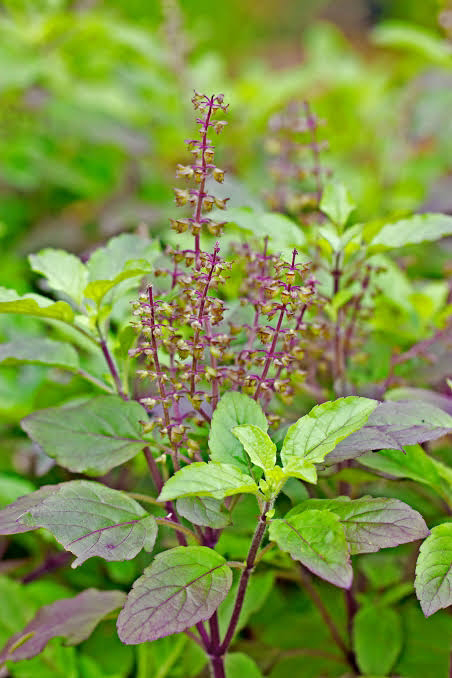
Tulsi

Basonym of drug - Tulsi

Tulsi or Holy basil is a widely known herb in the family Lamiaceae. It is native to India and vastly cultivated throughout Southeast Asia.

Tulsi has a special place in Ayurveda as well as the home of Hindus in India. It is considered sacred by Hindus and worshipped by them. Three main types of Tulsi are seen growing in India:

Tulsi has proved to be highly effective in protecting our body from various infections and diseases of the liver, skin, kidney, etc. It contains powerful oxidants that can help in keeping your blood pressure levels and cholesterol levels under control, making it one of the best heart-healthy foods. It is also good for diabetes as it possesses hypoglycaemic properties which are known to help lower blood sugar levels. 

Botanical Name : Ocimum sanctum Linn.

Family : Labiatae; Lamiaceae.

English : Indian Basil/Holy basil

Synonyms :Surasaa, Surasa, Bhuutaghni, Suravalli, Sulabhaa, Manjarikaa, Bahumanjari

Chemical Constituents :eugenol, carvacrol, nerol, eugenolmethylether, Bornyl

Properties :

Rasa- Katu, Tikta
Guna -Laghu, Rüksa
Virya –  Usna
Vipäka-  Katu

Karma Kapha-vãtahara Dipana, Krimighna Putigandhahara

Indications :Hikkä, Kãsa, svãsa, Visaroga, Parvasüla, Krimi, Visama Jvara.

Part Used :Leaf, root, seed.

Dosage :Fresh juice 10-20 ml, root decoction 50-100 ml, seed 3-6 g

Important Yogas or Formations :
Surasadigana Kasaya, Surasãdi taila, Tumburvãdi yoga, Nimbãdi lepa

Research-Backed Benefits of Tulsi are:

1. Boosts Immunity Naturally:

Tulsi is enriched with Vitamin C and zinc, which acts as a natural immunity booster and helps in preventing infections. It has anti-bacterial, anti-viral and anti-fungal properties that protect us from various infections. Extract of Tulsi leaves increases the activity of T helper cells and natural killer cells, which boosts the immune system.

2. Reduces Fever and Pain:
Tulsi has anti-bacterial and anti-viral properties that help fight infections, thereby reducing fever. The fresh juice of Tulsi taken with black pepper powder is effective in curing periodic fevers. Boiling Tulsi leaves with powdered cardamom (elaichi) in half a litre of water and mixing it with sugar and milk is also useful in reducing temperature. Eugenol, a terpene found in Tulsi, reduces aches in the body.

3. Reduces Cold, Cough and Respiratory Disorders:
Tulsi contains camphene, cineole and eugenol that help reduce cold and chest congestion. Mix the juice of Tulsi leaves with honey and ginger for effective treatment of bronchitis, asthma, influenza, cough and cold.

4. Reduces Stress and Blood Pressure:
Tulsi contains compounds Ocimumosides A and B that reduce stress and balance the neurotransmitters serotonin and dopamine in the brain. Anti-inflammatory properties of Tulsi reduce inflammation and blood pressure.

5. Anti-cancer Properties:
Phytochemicals present in Tulsi have strong antioxidant properties that protect us from skin, liver, oral and lung cancers.

6. Good for Heart Health:
Tulsi has a profound effect on the treatment and prevention of cardiovascular diseases by lowering blood lipid content, suppressing ischemia and stroke, reducing hypertension and also due to its higher antioxidant properties.

7. Good for Diabetes Patients:
Extract of Tulsi leaves has shown to lower blood glucose levels in patients with type 2 Diabetes.

8. Useful in Kidney Stones and Gouty Arthritis:
Tulsi detoxifies the body and has diuretic properties. It decreases the level of uric acid in the body, which is the main reason why kidney stones are formed. Reduction in uric acid levels also provides relief to patients suffering from Gout.

9. Useful in Gastrointestinal Disorders:
Tulsi leaves help in curing indigestion and loss of appetite. They are also useful for the treatment of flatulence and bloating.

10. Good for Skin and Hair:
Tulsi helps clear out the skin of blemishes and acne. It is rich in antioxidants and helps prevent premature ageing. Tulsi also strengthens our hair roots, thereby preventing hair loss.

11. Acts as an Insect Repellent:
Dried Tulsi leaves have been mixed with stored grains to repel insects for centuries.

12. Insect Bites and Blood Purification:
Apart from repelling insects, extracts of Tulsi leaves can be applied to insect bites and stings to ease the pain. They also reduce swelling or resultant irritation to a great extent. Daily consumption of Tulsi also helps in purifying the blood.

13. Oral and Dental Health:
Tulsi is often used in herbal toothpaste due to its amazing teeth and gum strengthening properties. Moreover, it can act on mouth ulcers and provide comprehensive oral health care.

14. Treatment of Eczema:
Tulsi is commercially available in the form of ingestible pills and topical ointments which can be used for the treatment of skin conditions like eczema. They also provide long-lasting relief from itching and irritation.

15. Reduces Stress and Fatigue:
Research has shown that Tulsi has several physical and mental health benefits. Consuming a Tulsi drink after a tiring day at work can be revitalizing and help relieve stress and fatigue. Similarly, a Tulsi drink during prolonged hours of study can help enhance concentration for students.

Tulsi is known to have many properties like:

  • It might be an antipyretic (relieves fever) agent
  • It might have anti-inflammatory activity
  • It might be an antiemetic (prevents vomiting)
  • It might help lower the blood sugar (antidiabetic)
  • It might act as a hypotensive (lowers blood pressure)
  • It might have hypolipidemic (lowers cholesterol) activity
  • It might act as an analgesic (relieves pain)
  • It might have anti-asthmatic activity
  • It might be a hepatoprotective (liver-protective) agent
  • It might help reduce stress (antistress)
  • It might be a potent expectorant (expels mucous)
  • It might have anticancer potential
  • It might be a diaphoretic (induces sweating)

Vacha

Name-vacha

Botanical Name -:Acorus calamus

Family -: Araceae

English Name -: Sweet flag 

Synonyms -: Ugra gandha Golomi 
Lomashi, jatila Sataparvika Shadgrandha Haimavati
mangalyaKarshani

Classical Categorization -Ugra, Jatila, lorrasa,

Caraka : Lekhaniya, Arsöghna, Trptighna, Ästhāpanopaga, Sirovirecana, Sanj ñāsthapana, Šitapraśamana

Suśruta : Pippalyādi, Mustādi, Vacādi

Morphology -: Perennial terrestrial herb of marshy places
Stem
- Stout, creeping
Rhizome - aromatic
Leaves
- Sword shaped, erect, shar pointed,
sheathing each other, midrib is stoutparallel
venation
Inflorescence - Spadix

Flower - Densely cover the entire spadix,
greenish yellow

Fruit - Turbinate, prismatic, pyramidal
Useful part - Rhizome
- Sub cylindrical light
brown colour. upper surface shows leaf scars,
while lower surface bear small raised circular
root scars.

Chemical composition -: piperine,piperlongumine

Rasa-katu tikta

Guna-Laghu, teekshna

Virya-ushna 

Vipaka-Katu 

Part used-:rhizome 

Indication -:kantya shoolahara jantuahara 

Important Preparation -: Kolakulathadi Choornam Manasamitra Vatakam Brahmi Vati

Dosage-Powder 150-500 mg


Major Chemical

Constituents- Acolamone, acorenone, acorag-ermacrone, acoramone, acorone, cis-& ?trans-asarone, & of-asarone, azulene, cadalene, calacone, calacorene, calamene, calamenol,-gurjunene, camphene, eugenol, calamone, calamenone, calamenene, calarene, telekin, preisocalamendiol, acoric acid, calamen diol, calamenone etc.


Therapeutic Uses

(1) Amlapitta- Vacā powder is taken with honey and jaggery (G.N.) (2) Apasmāra- Vaca powder (10 g) should be taken with honey and ghee for three days

and milk is used in the diet (V.S.). (3) Sopha & Vrddhi- The paste of Vaca and Sarsapa may be applied locally (V.M. &

Chemistry

Calamus leaves and rhizomes contain a volatile oil that gives a characteristic odor and flavor. Major components of the oil are beta- asarone (as much as 75%), methyl isoeugenol (as much as 40%) and alpha-asarone, saponins, lectins, sesquiterpenoids, lignans, and steroids. Phytochemicals in the plant vary according to geographic location, plant age, climate, species variety, and plant component extracted. Diploids do not contain beta-asarone. 

oil valued in the perfume industry. The essence from the rhizome is used as a flavor for foods, alcoholic beverages, and bitters in

Sarpagandha

NAME - SARPAGANDHA
FAMILY-Apocynaceae
LATIN NAME- Rauwolfia serpentina
पर्याय - चन्द्रमार, धवलविटप
MORPH - क्षुप
Chem. Compo - Reserpine
गुण - रुक्ष
रस - तिक्त
विपाक - कटु
वीर्य - उष्ण
आमयिक प्रयोग - शामक, उच्चरक्तचाप,उन्माद, अनिद्रा, अपस्मारहर, मानसिकव्याधिहर
प्रयोज्यांग - मूल
DOSE - 1-2Gm
विशिष्ट योग - सर्पगन्धाघन वटी


Ayurvedic Properties Sarpagandha

Taste  -Bitter

Rasa -Tikia

Guna-Rooksha

Virya-Ushna

Potency-hot

Vipaka-Katu


Synonyms Of Sarpagandha

Nakuli ,Sarpachhatrikka,Varshaasu,Chandramara,Dhavala,Sarpasugan sugandha
Mukta,Nakulesta,Chhatikara

 Introduction

Sarpagandha (Rauwolfia serpentina) is a popular herb which is available in the form of Tablets, Capsules and in the form of Powder. It is an evergreen, Erect Perennial shrub which grows at a height of 60 cm. There are the majority of health issues such as Coronary artery disease and heart failure and the primary factor is high Blood pressure. One miraculous herb which is helpful in managing hypertension. Sarpagandha is also helpful with other wide range of nervous systems and mental health. Rauwolfia is an evergreen shrub which is a member of the Apocynaceae family and more than 100 species are included in the Rauwolfia genus.

Sarpagandha Plant parts

Sarpagandha is a glabrous shrub which has red colour pedicles and calyx. Calyx is bright red in colour.

Leaves The pattern of leaves is whorls 3-4 which are opposite in structure. They are bright green in colour above and pale green below. The base of the leaves is siender and tapering in nature. Petioles are long in length.

Flowers- They are white or violet in colour and contain nectar in the corolla tubes. It has irregular corymbose cymes, Corolla is tube- like and has a white fang with a red colour.

Fruits-Fruit is purple-black in colour when it ripens. They are oval and tiny in shape.

Fruits are found throughout the year in the months of February-May.


Geographical Distribution

This plant is found in India, Pakistan, Sri Lanka and Burma as well as in Thailand. In India, it is distributed in the sub-Himalayan tract from Punjab to Nepal, Sikkim and Bhutan. It is also found in the lower hills of Gangetic plains, Andaman, Eastern and Western Ghats. In India, it is found in moist deciduous forests and shady areas at a height of 4,000 feet above sea level. This plant is never growing in bulk at a single place. In short, it is widely cultivated in many parts of india

Phytochemical Constituents Of Sarpagandha

Rauwolfia serpentina comprises many bioactive chemicals with more than 50 different alkaloids. Out of 50 alkaloids, the main alkaloids present are ajmaline, ajmalicine, indoline, indefinite, ajmaline, serpentine, serpentinine, deserpidine, reserpine, reserpiline, rescinnamine, yohimbine and yohimbine. Reserpine is quite a useful alkaloid of this plant. About 90 per cent of these alkaloids are found in the tuberous roots of this plant

Side Effects
       Abdominal Pain,Headache,Chest Pain,Skin Rashes,Drowsiness,Convulsion.

Benefits Of Sarpagandha

Lower High Blood Pressure - A constituent of sarpagandha is Resperine which is a lipid-soluble can easily cross blood-brain barrier and lower the activity of nervous system and results in decreased blood pressure, cardiac output.

For Insomnia It is rich in alkaloids (Reserpine) which have soothing properties which balance the central nervous system. Sarapagandha Pacify the mind and promotes deep sleep. Sarpagandha reduces the Adrenaline and Noradrenaline in the nerves

which reduces anxiety and improves mental health, decreases sleep problems like Insomnia.

High-Grade Fever Sarpagandha has antipyretic and analgesic properties which when ingested with Coconut water is helpful in reducing the body temperature to a normal range.

Pacify stomach infections Sarpagandha has various antimicrobial properties which when taken with Honey or water are more useful in treating various infections. Promotes healthy digestion, reduces the stool frequency and regulates the normal bowel movement.

For skin Sarpagandha has anti-inflammatory properties which when directly applied to the skin is useful in repairing damaged tissues and other conditions.

For muscle spasms- Sarpagandha has vasodilating property which expands the blood cells and provides proper circulation to the body parts

For the digestive system - Tikla and Ushna guna it is well known for their appetiser, digestive and cholagogue properties. If there is pain in the abdomen then add Sarpagandha roots (1 part), 2 parts of Kutaja and 3 parts of Castor Oil when mixed with Milk


Home Remedies From Sarpagandha

1. Hypertension 5 gm of powder of Sarpagandha roots when taken with Hot water used in the early moming useful remedy for Hypertension.

2. Diarrhoea-10 gm of root when taken with honey is helpful in Diarrhoea.

3. Fever-40 gm of root and 200 ml of water when mixed and taken intermally for 5 days along with Ginger juice

4. Poisonous Insect Sting - The paste made of Sarpagandha mixed with turmeric is applied to the affected area.

5. Constipation-10 grams of powder taken along with Lukewarm water is taken internally for 3 days to cure constipation.

6. Goiter-5gm of root when taken internally with 10 ml juice of Kanchnaar for 9 days is useful in Goiter.

7. Insomnia-10 g of root taken with cold water during sleep is useful in Insomnia.

Planet Ayurveda's Products Which Contain Sarpagandha As An Ingred

1. SARPAGANDHA POWDER

2. SARPAGANDHA GHAN VATI

3. SLEEP NATURALS

4. SADHAK PITTA SHAMAK


Part Used

Roots and Leaves of Sarpagandha are used.

Dosage

Roots powder should be (for normalizing high blood pressure) - 1-2 gm.

• For restlessness, anxiety and inducing sleep - 3-6 gm.

Kebuka


Basonym of Drug-Kebuka

Main Synonym-Kembukam, kevuka, kebuka

Botanical Name-Costus speciosus

Family-Zingiberaceae

Useful Parts -Rhizome

Important Phytoconstituent - Saponins, costusosides, diosgenin, tigogenin
Rasa Panchak

Rasa : Tikta, kashaya

Guna : laghu, ruksha

Virya : shita

Vipaka : katu

Action-Kaphapittahara

Therapeutic Indication - Kandughna (treat pruritus), kusthaghna (useful in skin disorders), deepen (appetizer), krimighna (anti-helminthic), balya (bulk promoting)
Dose -Rhizome powder - 3-6 gm, juice - 10-20 ml


Formulations
- Nishoshiradi taila, asanaeladi taila, krimighna Kash

Therapeutic Usage-

(1) Slipada- Juice of Kebuka rhizome is mixed with Vida lavana and the juice of Putranjivaka is given orally (S.S.CI, 19).

(2) Krmi- Juice of Kebuka is administered while keeping the individual on pungent diet (S.S.Ut. 54).

Research-

(1) The saponins of the plant were found to have significant anti-inflammatory and anti- arthritic activity against acute pedal inflammation induced by carrageenin in albino rats (Parikh et al., 1970).

(2) The saponins significantly increased the weight of uterus in spayed albino rats and the results being comparable to those produced by stilbesterol. The saponins produced pro- liferative changes in uterus and vagina which were similar to those produced by stilbesterol (Pandy et al., 1972, Singh et al., 1972).

(3) The alkaloids isolated from the plant possessed anti-cholinesterase activity both in vitro and in vivo (Bhattacharya et al., 1972).

(4) Alkaloidal fraction from rhizomes showed papaverine-like smooth muscle relaxant, an- tispasmodic, cardiotonic, hydrocholeretic, diuretic and CNS depressant activities in labo-

ratory animals (J.Res. Ind.Med. 1973,8.10).

SAIREYAK

SAIREYAK -सैरेयक (कुष्ठघन) Introduction -  It is a shrub growing upto Im. It will have yellow flowers and found in many parts of...